
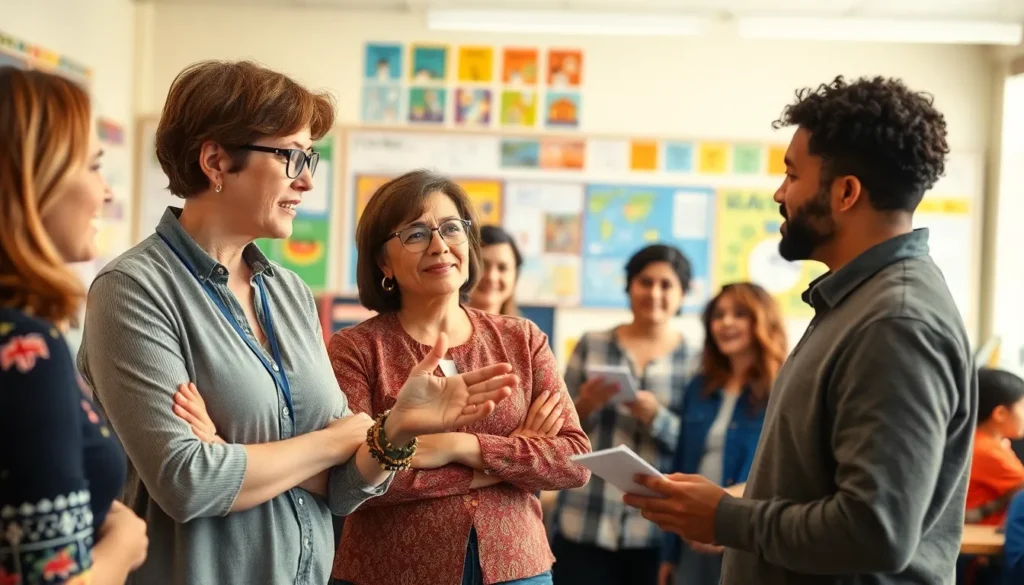
Navigating the world of special needs can feel like trying to assemble IKEA furniture without the instructions—confusing and a bit overwhelming. Yet, with the right advice and resources, it doesn’t have to be a daunting task. Whether you’re a parent, caregiver, or educator, understanding the unique challenges and triumphs faced by individuals with special needs can open doors to a more inclusive and supportive environment.
This article dives into essential tips and insights that can make a real difference. From effective communication strategies to advocating for necessary resources, it’s all about empowering those who need it most. So grab a cup of coffee, sit back, and get ready to unlock a treasure trove of special needs advice that’s both informative and a little bit fun. After all, who said learning can’t come with a side of laughter?
Table of Contents
ToggleUnderstanding Special Needs Advice
Navigating special needs involves specific insights and support. Guidance plays a crucial role in making this journey manageable for everyone involved.
Definition of Special Needs
Special needs refer to a range of conditions requiring additional care or support. Individuals facing challenges may include those with physical disabilities, developmental delays, emotional disorders, and learning difficulties. Examples encompass autism spectrum disorder, ADHD, and intellectual disabilities. Each person’s requirements vary depending on their unique circumstances and abilities. Supporting those with special needs often involves tailored interventions and resources, ensuring they receive the appropriate care for their development.
Importance of Special Needs Advice
Special needs advice holds significant value for families, caregivers, and educators. Accessing expert insights enhances understanding of the specific challenges faced by individuals. Proper guidance often improves communication skills, promotes self-advocacy, and encourages resource accessibility. Individuals equipped with relevant information can make informed decisions, enhancing the quality of life for those with special needs. Insights can also empower caregivers, fostering support systems that benefit everyone involved.
Types of Special Needs
Special needs encompass various conditions necessitating different forms of care and support. Understanding these categories helps tailor support strategies effectively.
Learning Disabilities
Learning disabilities include challenges that affect processing information in traditional education settings. Dyslexia, for instance, impacts reading skills, while dyscalculia affects mathematics comprehension. Children with learning disabilities often face difficulties with memory, attention, or organizing tasks. Interventions like specialized tutoring or individualized education plans enhance learning experiences. Parents and educators play vital roles in advocating for appropriate resources, fostering a supportive learning environment.
Physical Disabilities
Physical disabilities involve impairments that limit mobility or physical functioning. Conditions such as cerebral palsy, muscular dystrophy, or spina bifida require ongoing support and adaptive technologies. Individuals may need assistance with daily activities, mobility aids, or accessible environments. Collaboration among healthcare providers, educators, and families is essential in ensuring adequate care and resource availability. Strategies that promote independence, such as physical therapy or assistive devices, significantly improve quality of life for those affected.
Emotional and Behavioral Disorders
Emotional and behavioral disorders affect an individual’s ability to regulate emotions and interact socially. Conditions like anxiety disorders, attention-deficit hyperactivity disorder (ADHD), and oppositional defiant disorder (ODD) present unique challenges. Developing effective coping strategies and providing psychotherapy can help manage these conditions. Partnerships with mental health professionals offer support to families navigating these challenges. Schools, too, should aim to create nurturing environments that foster emotional well-being and understanding.
Sources of Special Needs Advice
Accessing accurate special needs advice is crucial for families, caregivers, and educators. Various reliable sources provide essential guidance in this area.
Professionals in the Field
Experts play a vital role in offering tailored advice. Psychologists provide assessments that identify specific challenges. Speech-language pathologists focus on improving communication skills essential for social interactions. Occupational therapists help develop daily living skills, ensuring independence. Additionally, special education teachers create individualized education programs (IEPs) that align with student needs. Guidance from these professionals promotes better outcomes for individuals with special needs and their families.
Support Groups and Organizations
Support groups provide a strong community of shared experiences. Local chapters of national organizations, like the Autism Society and Learning Disabilities Association of America, offer resources and events. These groups empower individuals by sharing knowledge and experiences. Parent-led forums create spaces for discussion, allowing families to connect and exchange information. Online platforms also provide valuable insights and support, making it easier for caregivers to access advice from the comfort of home. Engaging with these organizations fosters understanding and encourages collaboration in navigating special needs challenges.
Practical Tips for Parents
Navigating special needs can feel overwhelming. Parents benefit from practical strategies to support their children effectively.
Seeking Evaluations and Assessments
Identifying a child’s unique needs starts with proper evaluations. Professional assessments from psychologists or pediatricians provide insights into conditions affecting development. Educators value these evaluations for creating tailored support plans. Testing options may include cognitive, behavioral, and emotional assessments. Each assessment leads to a clearer understanding of specific challenges. Pursuing formal evaluations helps parents access appropriate resources, including therapy services or special education support. Regular check-ins help track progress and adjust interventions when necessary.
Effective Communication Strategies
Open communication fosters relationships among parents, caregivers, and educators. Sharing concerns about a child’s behavior or progress is crucial. Using simple language and direct statements ensures clarity. Active listening encourages understanding and builds trust. Visual aids and social stories can assist children in grasping complex ideas. Regular updates from teachers or caregivers keep families informed of developments. Encouragement reinforces positive interactions at home and school. Communicating effectively nurtures an environment where children feel supported and understood.
Resources for Further Support
Accessing additional resources can enhance understanding and support for families, caregivers, and educators navigating special needs.
Books and Online Materials
Numerous books provide insights into special needs. Titles like “The Reason I Jump” by Naoki Higashida offer perspectives from individuals with autism. Online materials, including articles from the National Center for Learning Disabilities, present up-to-date strategies and tips. Websites dedicated to special needs, like Understood.org, feature tools and resources designed for parents and educators. Engaging with these materials equips caregivers with knowledge to advocate effectively for their children.
Workshops and Seminars
Workshops offer hands-on experience and expert guidance. Local school districts often host seminars focusing on topics like individualized education plans (IEPs) and behavioral strategies. National organizations, such as the Autism Society, provide training sessions and webinars to enhance understanding of special needs. Attending these events facilitates connection with professionals and other families. Building partnerships through shared experiences strengthens community and fosters support systems for individuals with special needs.
Navigating the world of special needs can be challenging but it’s essential for families and caregivers to seek out the right advice and resources. By understanding the unique requirements of individuals with special needs and employing effective communication strategies, they can foster an environment of support and empowerment.
Accessing expert insights and tailored strategies not only enhances the quality of life for those involved but also builds a network of understanding among families, educators, and professionals. With the right tools and collaboration, the journey becomes less daunting and more rewarding, ultimately leading to better outcomes for everyone.